

Travel often feels exciting, but it can also bring stress when you rent a car. Many drivers wonder what protection they need at the counter. The choices can feel unclear, and the rules can shift by location. This guide helps you understand car rental insurance types so you can choose with confidence. You deserve peace of mind on the road, and you should never feel lost when someone asks if you want extra coverage.
When you know what each option covers, you stay in control. You protect your money, avoid surprise fees, and drive with less fear. This blog gives you clear facts in simple words. You get answers without pressure or confusion. With this knowledge, you can pick what fits your trip and skip what you do not need. You also gain a deeper sense of safety because you know how each choice works. That is your
Below, you will see eight key coverage options broken down in easy steps. You will learn how each one helps you. You will also find a table, bullet lists, quotes, and extra tips to keep everything simple.
1. Collision Damage Waiver (CDW)
The Collision Damage Waiver is one of the most common car rental insurance types that drivers see at the counter. Even though it looks like insurance, it is actually a waiver. It means the rental company will not charge you for damage to the car, as long as you follow the rules. Many travelers choose it because it reduces risk and keeps costs predictable.
You get the greatest value when you know what CDW covers. It usually includes:
- Damage from bumps or dents
- Scratches on the body
- A cracked windshield
- Repairs after a minor or major impact
Still, you need to follow the rental rules. If you drive off-road or break the contract, the waiver may not apply.
To support your decision, think about your personal risk level. Ask yourself: “If something happens, can I afford repair fees?” If the answer is no, CDW might help you relax. You get less worry and fewer surprise bills. Many drivers choose it for that reason. With CDW, you often walk away without paying for repairs.
2. Loss Damage Waiver (LDW)
LDW includes CDW protection but adds another layer. It protects you if the rental car is stolen or totaled. Many rental companies bundle CDW and LDW, so you may see them listed together. But LDW specifically covers more than damage. It covers loss.
Here are the main things LDW handles:
- Theft of the rental car
- Fire or major loss
- Protection from high replacement costs
A key benefit is the sense of control you gain. You avoid huge charges after a theft or major event. Many travelers feel safer knowing the vehicle is covered. LDW can help you worry less about parking in busy areas or unexpected risks.
A helpful quote often used in travel safety guides states, “Protection reduces fear, and fear limits freedom.” You want freedom during a trip, so that LDW may support that. With LDW, you know you will not pay large replacement fees.
3. What is Liability Insurance Supplement (LIS)
This car rental insurance types covers damage you cause to others. That includes people, cars, or property. In many states, the basic coverage required by law is low. Because of this, rental companies offer LIS so you can raise your protection limit.
LIS helps you if someone gets hurt in an accident. It also helps when their car or property gets damaged. Without enough liability coverage, you could face high costs or legal challenges.
“Accidents happen fast, but costs can last,” as many safety experts say. LIS protects you from long-term money problems. That sense of security is a strong reason many drivers add it. It is helpful when you drive in a new city or on a busy highway.
4. Personal Accident Insurance (PAI)
PAI covers injuries to you and your passengers during the rental period. This support includes medical costs and sometimes ambulance fees. Many travelers skip PAI because they already have this car rental insurance. Still, some people choose it for the extra peace of mind.
What PAI Usually Covers
- Emergency care
- Medical treatment
- Some hospital costs
You protect the well-being of everyone in the vehicle. You also avoid delay when handling medical bills. PAI works well for drivers without strong health plans or travelers visiting from another country.
Coverage rules can change by location, so always check details before buying. When you understand PAI, you can decide if you need it or not. Clear knowledge means fewer regrets later.
5. What is Personal Effects Coverage (PEC)
PEC protects the items you carry inside the rental car. If personal items get stolen, this car rental insurance types may reimburse you. Many travelers carry cameras, bags, laptops, and clothing. Losing them hurts, both emotionally and financially.
PEC may cover items like:
- Electronics
- Luggage
- Backpacks
- Clothing
This option gives you peace of mind in busy areas where theft risk is higher. Some people travel with expensive gear. Others bring sentimental things. PEC helps you protect both.
You get support when you need it most. You avoid unexpected spending during a trip. PEC is helpful when your normal insurance does not cover items away from home.
6. Roadside Assistance Protection
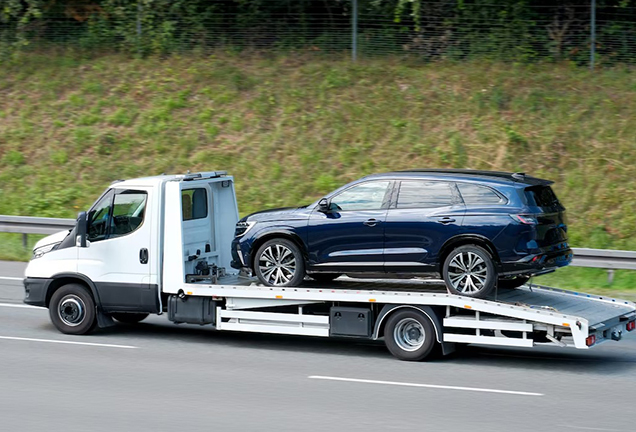
Roadside Assistance Protection helps you when the car breaks down. Many drivers face issues like flat tires or dead batteries. Roadside help can support you with these problems without extra fees.
This coverage usually includes:
- Tire help
- Jump-starts
- Basic repairs
- Fuel delivery
You also get towing help when needed. You save time and avoid stress during breakdowns. Roadside support gives you confidence to explore new places. When help arrives fast, you stay safe and calm. Many families feel better with this coverage.
For clear comparison, here is a table that shows what each major protection covers:
| Coverage Type | What It Covers | What It Does Not Cover |
| CDW | Damage to the rental car | Contract violations |
| LDW | Theft + damage | Unauthorized drivers |
| LIS | Others’ injuries + property | Damage to the rental car |
| PAI | Medical help for you + passengers | Non-trip injuries |
| PEC | Items inside the car | Cash or sensitive documents |
7. Credit Card Rental Car Coverage
Many U.S. credit cards offer car rental coverage. This support can help you avoid paying for CDW or LDW from the rental company. But each card has its own rules. Some offer primary coverage, while others offer secondary protection.
Primary coverage pays first. Secondary coverage pays after your auto insurance. Always read your card’s guide before renting. It tells you what is covered and what is not.
Many travel experts say, “Your wallet may already hold protection you did not know you had.” That idea applies here. You may already have support without paying extra.
Key things to check:
- Does your card offer primary or secondary coverage?
- Are there country limits?
- Is theft included?
- Do you need to decline the rental company’s CDW first?
When you know these answers, you make better choices.
Wrap Up
Rental insurance does not have to feel confusing. When you understand the options, you stay calm, smart, and ready for the road. Each protection offers a different benefit. Your job is to choose what fits your comfort level and budget. Let this guide support your next trip and help you feel secure behind the wheel. Use what you learned here to make decisions that support your safety and comfort on every trip. For more helpful guides, visit Auto Talk Spot. When you take a moment to review your choices, you protect your time, money, and peace of mind.
You also remove guesswork at the rental counter, which helps you feel more in control. This extra confidence can shape your entire travel experience. The better informed you are, the smoother your journey becomes.