
You know that feeling right after a fresh wash, when your car looks so shiny it almost feels “new” again? Then a few days later, you notice dust sitting on the hood, water spots on the roof, and a couple of mystery marks that weren’t there before. It’s frustrating because keeping paint glossy isn’t just about washing the car. It’s about protecting it from everything the road and weather throw at it.
That’s where paint protection tips come in. Think of paint protection like skincare for your car: a good routine prevents dullness, stains, swirl marks, and that tired-looking finish that makes even a nice vehicle look older than it is. The best part? You don’t need to be a pro detailer or buy the most expensive products to get real results. You just need the right habits and a few smart choices.
In this guide, we’ll break down what actually damages paint, what you can do at home, what’s worth paying for, and how to keep that glossy look for as long as possible—without turning your weekends into a full-time detailing job.
Why Car Paint Loses Its Gloss Even When You Take Care of It
A lot of people assume paint gets dull because it’s “old.” Sometimes that’s true, but usually the real culprits are more specific. Sunlight breaks down the clear coat (UV damage). Road grime acts like sandpaper. Automatic car washes leave tiny scratches. Hard water leaves mineral deposits that stick like glue. And bird droppings… let’s just say they’re worse than most drivers realize.
Paint is layered. The top layer—your clear coat—is what gives you shine. When the clear coat gets scratched, contaminated, or dried out, the gloss disappears.
So, when people ask how to keep paint glossy, the answer isn’t just “wash it more.” The answer is: wash smarter, protect the surface, and reduce the things that cause micro-damage over time.
What You See Vs. What Caused It
This is one of the easiest ways to connect the “problem” with the “reason” behind it.
| What Do You Notice on Your Paint | What It Usually Means |
| Circular swirl marks in sunlight | Improper washing/drying, dirty towels, and automatic washes |
| Water spots on the roof/hood | Hard water minerals dried on the paint, not drying fast enough |
| Paint feels rough even after washing | Contamination (tar, sap, brake dust, industrial fallout) |
| Faded color or hazy clear coat | UV damage, oxidation, lack of protection |
| Tiny black dots near the lower panels | Road tar, asphalt, heavy contamination |
This table matters because once you know the cause, your paint protection tips become much more effective.
Paint Protection Tips That Actually Work
Before we jump into the list, here’s the honest truth: most paint damage doesn’t happen from driving—it happens during quick washes and everyday neglect. These paint protection tips are simple, realistic, and designed to keep your car glossy without turning detailing into a weekend-long project.
1) Wash less aggressively, not just more often
It sounds backward, but many cars get scratched mainly during washing. Not from driving or rain but from us. Every time you drag dirt across the paint with a sponge, you create tiny scratches. Over time, those scratches build into swirl marks, and swirl marks kill gloss. If you want one “big” habit change: stop using a single bucket and a cheap sponge.
The Safest Home Wash Routine
A good routine doesn’t need to be fancy, but it should be safe:
- Rinse first to knock loose dirt off the surface
- Use the two-bucket method (one for soap, one for rinsing your mitt)
- Use a microfiber wash mitt, not a kitchen sponge
- Wash top to bottom (roof first, dirty lower panels last)
- Rinse thoroughly and dry right away
That’s one of the most underrated paint protection tips, because it reduces new swirl marks every single week.
2) Drying matters more than most people think
Here’s the honest truth: a lot of paint gets scratched during drying. People grab an old towel, wipe fast, and press hard. That’s basically like buffing dust into your paint.
Instead, use a clean microfiber drying towel and pat or glide gently. If you want to make drying even safer, a drying aid spray can add lubrication so the towel slides rather than drags.
Quick Tip You’ll Actually Use
If your towel hits the ground, don’t “shake it off and keep going.” That’s how you pick up grit and scratch your paint in seconds. Grab a fresh towel.
3) Wax, sealant, or ceramic? Pick what fits your life
This is where people get overwhelmed. You don’t need to become a chemist to protect your paint. You just need to choose the level of protection that matches how you drive and how much time you want to spend.
- Car wax: gives a warm shine, decent protection, usually lasts weeks to a couple of months
- Paint sealant: more durable than wax, often lasts a few months
- Ceramic coating: longer protection, strong chemical resistance, easier maintenance, can last for years when applied and maintained properly
- PPF (paint protection film): a physical film that protects against rock chips and impacts, great for high-impact areas
A simple way to choose: if you wash your car occasionally and park outside, a sealant or ceramic coating makes life easier. If you love detailing every weekend, wax can be fun and glossy.
4) Don’t let bird droppings and bug splatter sit
This sounds obvious, but it’s one of the top reasons people end up with stains and etched clear coat. Bird droppings are acidic. Bugs can bake onto the paint. Tree sap hardens and bonds.
If you see it, remove it sooner rather than later. Even a gentle spray detailer and a soft microfiber can save you from permanent marks.
A small emergency kit that saves your paint
Keep a microfiber towel and a small bottle of detail spray in your trunk. It’s a simple trick, but it prevents long-term damage.
5) Protect high-impact areas first
If you don’t want to protect the whole car right away, start with the areas that get hit the most:
- front bumper
- hood leading edge
- side mirrors
- rocker panels (lower sides)
These areas get rock chips, road grime, and debris constantly. PPF is amazing here, but even a strong sealant can help reduce staining and make cleaning easier.
6) Avoid automatic brushes, they’re swirl mark machines
Brush-style automatic car washes are convenient, but they can be rough on paint. Those brushes hit hundreds of cars a day. They collect grit. Then they slap that grit against your clear coat at speed. That’s how swirl marks happen.
If you must use an automatic wash, choose a touchless one. It’s not perfect, but it’s far safer for your finish.
7) Decontaminate your paint a few times a year
Ever washed your car and it still feels rough? That roughness is usually contamination—tar, brake dust, rail dust, industrial fallout, and other particles bonded to the paint.
A clay bar or clay mitt (used with proper lubricant) removes bonded contaminants and makes paint feel smooth again. Smooth paint reflects light better, so your gloss improves.
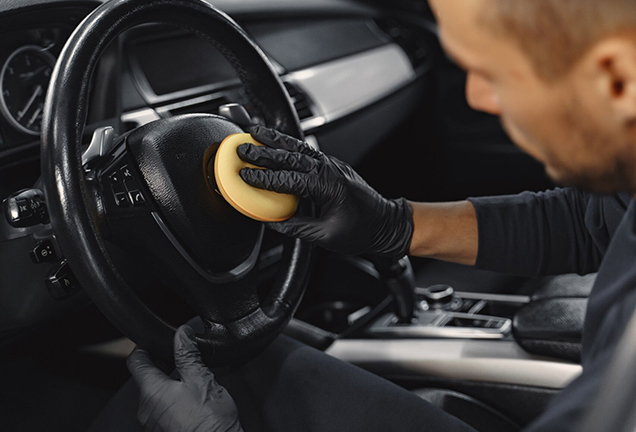
8) Use the right towels. This one is bigger than it sounds
Not all microfiber is equal. A cheap, rough towel can introduce scratches. A clean, high-quality towel reduces friction and picks up dirt safely.
The best rule is simple: towels for paint should only be used on paint. Don’t use the same towel on wheels and then bring it back to the hood next week.
The “Separate Towel” Rule
- Paint towels
- Glass towels
- Wheel/dirty-job towels
It sounds extra, but it’s one of those detailing habits that protects paint almost automatically.
9) Park smarter when you can
You don’t always control where you park, but when you do, it matters. Shade helps protect against UV damage and reduces water spots. Covered parking reduces exposure to tree sap and bird droppings.
If you park outside daily, your protection products need to work harder. That’s why sealants and ceramic coatings are popular for daily drivers.
10) Maintain the gloss with quick, low-effort habits
You don’t need a full “detail day” every weekend. The real secret is quick maintenance that prevents buildup.
For example, rinsing light dust off before it bonds, drying after rain when possible, and using a spray sealant after washes can keep the car looking sharp without hours of work.
Common Paint Protection Mistakes That People Make with Good Intentions
Here are a few mistakes that are super common:
- Washing in direct sunlight, letting the soap dry on the paint
- Using dish soap (it can strip protection and dry out surfaces)
- Reusing dirty towels or sponges
- Applying wax/sealant on dirty paint (it seals contaminants in)
- Scrubbing hard to remove bugs or tar (this often scratches)
The goal isn’t perfection. The goal is to avoid the habits that quietly damage paint over time.
A Simple “Real-Life” Protection Routine You Can Actually Stick To
If you want a basic plan that works for most people, here’s a realistic one:
Weekly or bi-weekly:
Wash safely, dry properly, and do quick spot-cleaning for bird droppings/bugs.
Every 2–3 months:
Apply a quality sealant (or topper if you have ceramic).
Every 6 months (or seasonally):
Decontamination (clay) + light polish if needed + refresh protection.
This kind of routine fits real schedules, and it keeps the finish looking glossy much longer.
Final thoughts
Paint doesn’t lose gloss overnight. It usually happens slowly—one rough wash, one automatic brush wash, one dried water spot, one ignored bird dropping at a time. The good news is that the right paint protection tips don’t have to be complicated. A safer wash routine, smarter drying, and a protective layer like wax, sealant, ceramic coating, or PPF can keep your car looking glossy for much longer. If you want that detailed look without constantly chasing it, information at Auto Talk Spot can help you choose the right protection and maintain it the easy way.
FAQs
What are the best paint protection tips for daily drivers?
Wash gently, dry properly, avoid brush car washes, and use a sealant or ceramic coating so dirt doesn’t bond easily.
Does ceramic coating prevent scratches?
It helps resist minor wash marring and makes cleaning easier, but it’s not scratch-proof. For rock chips, PPF offers stronger physical protection.
How often should I wax my car?
Most waxes last a few weeks to a couple of months, depending on weather and washing habits. Sealants and ceramic coatings usually last longer.
What causes swirl marks on car paint?
Most swirl marks come from improper washing and drying—dirty sponges, reused towels, and brush-style car washes.