
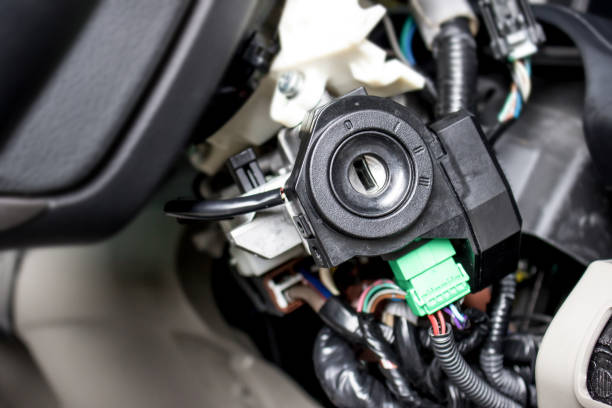
Cars feel simple until they refuse to start. One minute, the day is normal. Next, the key turns, and nothing happens. That moment can feel scary, yet the cause is often small. Many drivers blame the car battery first. Others suspect the starter motor right away. However, a hidden part can create the same stress. Ignition switch problems interrupt the start process and confuse every clue. Because the issue sits out of sight, it can fool even careful owners. Still, the right information makes the next step clear. This guide explains what can go wrong, what signs to watch, and what actions help. So, drivers can respond faster and avoid getting stuck.
How Ignition Switch Problems Affect the Starting System?
A car starts through a chain of quick events. First, the car key sends a command when it turns. Then, the ignition switch passes power to the electrical system. After that, the starter relay signals the starter motor to spin. Next, engine cranking begins, and the engine pulls in air and fuel. At the same time, the fuel system prepares the right mix. If every step happens on time, the engine fires and stays running.
However, one weak link can break the chain. The engine remains silent when there is no forward motion. The dashboard lights occasionally continue to glow, making the issue appear perplexing. At other times, the automobile appears to be lifeless, and the lights are dim. Because the start process happens fast, small delays matter. So, understanding the chain helps drivers spot where the failure starts.
Early Warning Signs Drivers Often Miss
Small clues often show up before a no-start day. Many people ignore them because the car still runs. Yet those hints can point to symptoms of a bad ignition switch before the failure becomes total. For example, the accessory power may cut out while driving. Then, the radio or power windows may stop for a second. Also, the engine may stumble as if it lost power. Meanwhile, the key may feel loose or rough while turning.
In some cars, the dashboard lights flicker without a clear reason. In others, the engine starts only after a second try. That delay can happen when the switch does not send steady power. Over time, heat and vibration wear down contacts inside the switch. So, the starting chain gets less reliable. Because these signs seem random, drivers often wait too long. Still, catching them early can reduce repair costs and stress.
Why the Switch Can Stop the Start Process?
The switch does more than “turn the car on.” It directs power to key circuits. When the contact points inside wear out, the power flow becomes weak. Then the starter relay may not click at all. Or, it may click once and stop. Because the switch sits near the steering column, movement and vibration can speed up wear. Also, the ignition lock cylinder Problem and switch can age together, which adds friction. Ignition switch problems show up as mixed signals. The car may act fine one day. Then, it fails the next morning. This can happen when metal contacts expand with heat. Later, they cool off and lose contact again. So, the issue comes and goes. That on-and-off pattern frustrates drivers. Yet it also gives a clue: a steady problem like a dead car battery usually fails more consistently.
When the Key Turns but Nothing Happens
Drivers often describe the same scene. The key turns, but the engine stays quiet. Sometimes the dashboard lights stay bright. Sometimes they go dim. Either way, the driver wonders what failed. In many cases, the car won’t start due to the ignition switch because the switch never feeds power to the start circuit. That means the starter motor never gets the signal to work.
However, the switch is not the only possible cause. A weak car battery can also stop engine cranking. Loose battery terminals can mimic the same symptom. Also, a worn ignition lock cylinder can keep the switch from turning fully. So, the best move is to look for patterns. For instance, if accessories are cut out too, the switch becomes more likely. If the headlights dim hard, the battery becomes more likely to be drained. These quick checks guide the next step.
Common Failure Patterns That Point Back to the Switch
Not every no-start problem comes from the same place. Still, some patterns strongly suggest the switch area. One pattern is “starts after jiggling the key.” Another is “starts after waiting ten minutes.” Both can happen when ignition switch problems cause the contacts inside the switch to regain connection. Also, a key that feels hot after a few tries can hint at resistance in the circuit.
Power Loss Pattern
When the switch loses contact, the electrical system can drop power for a moment. Then the engine may cut out, even while driving.
Start-only pattern
Sometimes the car runs fine once started. Yet it refuses to start later. That can happen when the start circuit inside the switch fails first.
These patterns often lead to repeated vehicle starting issues. So, spotting them early can prevent being stranded. Also, it helps a technician test the right parts sooner.
Quick Comparison of Causes and Clues
Many drivers ask, “Is it the switch or something else?” A simple comparison helps. While a mechanic can test it properly, drivers can still note strong clues. The table below shows common causes and what people usually notice.
| Possible cause | What the driver notices | Why it matters |
| ignition switch | Dashboard lights may flicker, then the car won’t crank | Power may not reach the starter relay |
| car battery | The lights dim fast, and the engine cranking slows | Low voltage stops the starter motor |
| starter motor | A click happens, yet the engine stays still | The motor may not spin under load |
| fuel system | The engine cranks, yet it does not start | Fuel delivery may be blocked |
| worn ignition components | The key feels loose or sticky near the ignition lock cylinder | Poor contact prevents steady power |
Because each clue points to a different fix, notes help. So, drivers should share these details during service.
Safe Checks Drivers Can Do Before Calling for Help
Drivers should stay safe first. So, if the car is in traffic, moving it matters most. After that, a few basic checks can help narrow the cause. In many cases, a car won’t start due to the ignition switch, and a quick test can reveal it.
- Turn the key to “ON” and watch dashboard lights for flicker or sudden loss.
- Try a second key, if available, to rule out a worn car key.
- Gently turn the wheel while starting, since tension near the steering column can affect movement.
- Test accessories like the radio for steady accessory power.
- Listen for a click from the starter relay when the key turns.
However, drivers should avoid repeated long cranks. That can overheat wiring. Also, they should not force the key. Forcing can damage the ignition lock cylinder. If the issue repeats, a proper inspection is the safest path.
Repairs That Help and Habits That Reduce Repeat Issues
Fixes depend on what fails. Sometimes the switch alone needs replacement. Other times, the lock cylinder and switch get replaced together. If contacts inside the switch are worn, the repair restores steady current. Then the starter motor receives a clean signal again. Also, a technician may inspect connectors for heat damage in the electrical system. That step matters because resistance can return the problem.
Drivers can also reduce future trouble with smart habits.
- Keep the keychain light, since heavy weight can stress the steering column area.
- Address early vehicle starting issues instead of waiting for a full no-start.
- Replace weak batteries early, because low voltage stresses switching parts.
- Ask for a wiring check if dashboard lights flicker often.
- Avoid forcing stiff keys, which can wear out ignition components faster.
Because starting problems can stack up, early action usually costs less. Also, it lowers the risk of getting stuck far from home.
The Moment to Act Before You Get Stuck
A no-start issue rarely fixes itself for good. It often gets worse over time. So, drivers should treat early clues as a warning, not a fluke. For helpful car care tips and simple guides that keep drivers informed, visit Auto Talk Spot and stay ready for the next mile. If the car starts only after key movement, the problem may return at the worst time. Repeated failed starts can stress the starter motor and drain the car battery. The safest path is a clear diagnosis and a real fix. When drivers share the patterns they noticed, service becomes faster and easier.
FAQs
Can a bad switch drain the battery?
Yes, it can leave accessory power circuits on when they should shut off.
Will the car crank if the switch is failing?
Sometimes, the engine cranking may be weak or inconsistent.
Is a single click always the switch?
Not always, because the starter relay or car battery can cause that too.
Can the engine die while driving due to this issue?
Yes, because the electrical system can lose power without warning.
What note helps a mechanic diagnose faster?
Share whether the key feels different near the ignition lock cylinder.