
Getting older should not mean staying stuck at home. Yet many seniors stop going out because rides feel risky. Others worry about getting lost, falling, or feeling rushed. Still, daily trips matter a lot. People need groceries, haircuts, faith services, and friendly visits. They also need time outside for mood and health. That is why senior transportation solutions can make a real difference. They help people keep routines and stay connected. Also, they help families worry less. When rides feel safe, seniors feel more in control. So, they are more likely to say yes to plans. Even small trips can lift the day. However, the best option is not always the same. Needs change with health, balance, and vision. Therefore, it helps to know what choices exist. This guide breaks them down. It also shows how to pick the right fit.
Why Driving Changes? How Senior Transportation Solutions Reduce Safety Risks
Many seniors drive well for years. Still, changes can show up over time. Vision may get worse at night. Hearing can fade, too. Also, reaction time can slow down. These shifts make traffic feel stressful. Because of that, some seniors avoid highways or busy hours. Others stop driving after a close call. Even so, giving up the keys can feel like losing freedom. That feeling is normal. Yet safer travel options can protect independence. For example, door-to-door transportation lowers fall risk. It also reduces parking stress. In addition, wheelchair accessible vehicles support people with walkers or wheelchairs.
When rides meet the person at the door, they avoid long walks. So, they save energy for the outing. Also, a trained driver can notice hazards. That includes wet steps or loose rugs. Transportation safety for seniors starts with small supports like these. Therefore, planning ahead matters.
Medical Trips That Stay Calm and on Time
Health visits can feel tiring. Still, missing care can lead to bigger problems. That is why non-emergency medical transportation for seniors plays a key role. It supports rides to clinics, labs, rehab, and pharmacies. Also, it helps people who cannot ride in a standard car. Drivers often know how to assist with walkers. Some companies also offer wheelchair securement. In addition, many programs coordinate with medical offices. So, the rider arrives on time. That reduces stress for everyone. Medical appointment transportation can include return trips, too. So, seniors do not have to wait outside. Also, caregivers can use the time for other tasks. Some areas connect these rides with Medicaid benefits. However, rules vary by state and plan. So, families should ask providers about eligibility. Even when paid privately, the value can be high. The ride feels steady, and the day stays on track.
Getting Around Town Without Losing Independence
Daily errands should not feel like a big project. Yet long walks, busy streets, and parking lots can be hard. For that reason, senior transportation solutions often focus on comfort and control. A good ride plan helps seniors keep doing what they enjoy. It also supports independent living for seniors. That matters because independence boosts confidence. Also, it supports brain health through routine and social time.
Many communities offer senior ride services through local groups. Some may be low-cost or donation-based. In addition, paratransit services can help when fixed-route buses are tough. These services usually require an application. However, once approved, seniors can schedule rides for shopping and errands. Accessible public transportation also helps when stops are close. Still, the best setup often mixes options. So, seniors can choose what fits each day. One day may need a driver. Another day may work with a bus and a friend.
When Mobility Support Turns “Maybe” into “Yes”
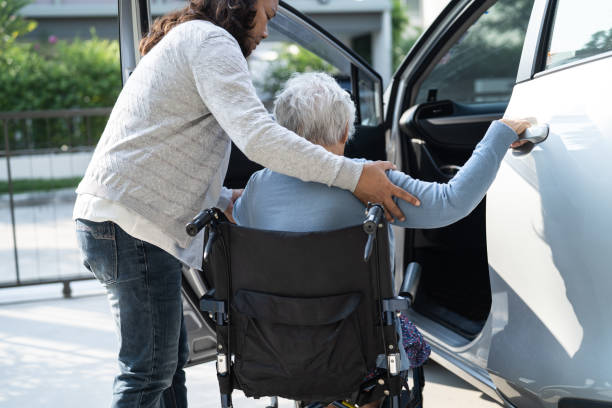
A ride is not just about the car. It is also about the whole experience. Many seniors need help from the door to the seat. That is where elderly mobility services can help. These supports may include arm assistance, step guidance, and safe transfers. Also, they can include help carrying bags. Because of that, seniors feel less fear about falling. They also feel less embarrassed asking for help.
Companies providing mobility assistance services often train staff to speak clearly. They also move at a calm pace. That matters for people with hearing loss or anxiety. In assisted living communities, scheduled shuttles can cover group outings. Still, one-on-one rides can fit better for private errands. Caregiver transportation support can also join the plan. For example, a caregiver may meet the rider at the clinic. Meanwhile, the driver handles the trip itself. So, everyone keeps their role clear. That makes the day smoother.
Smart Planning That Keeps Rides Simple
A strong travel plan reduces last-minute stress. Also, it makes safety steps feel normal. Senior transportation solutions work best when they match real routines. For that reason, planning should start with weekly needs. Then, it should include backup options.
Consider these simple steps:
- Write down common trips like groceries, worship, and social visits.
- Add medical visits and lab days as soon as they get scheduled.
- Pick two ride sources, so one can cover the other.
- Keep key info ready, like addresses and contact numbers.
- Choose pickup windows that allow extra time.
Also, ride scheduling apps for seniors can help families coordinate. They can share times and updates in one place. However, some seniors prefer phone calls. So, it helps to ask what feels easy. AARP and local aging offices often share area resources. Therefore, checking those lists can save time. With a plan, seniors keep their freedom. Even better, families stop scrambling for rides at the last minute.
Comparing Options Side by Side
Choices can feel confusing at first. Still, a quick comparison helps people decide. Many seniors use a mix of options over time. Also, needs can change after surgery or illness. Elderly mobility services may become more important then. The table below shows common ride types and what they fit best.
| Option | Best for | Common features |
| Door-to-door rides | Balance or vision limits | Help to and from the door |
| Wheelchair accessible vehicles | Wheelchairs or heavy walkers | Securement and ramp access |
| Paratransit services | Bus riders needing support | Scheduled pickups and eligibility |
| Community senior ride services | Social and errand trips | Low cost and friendly drivers |
| Accessible public transportation | Short, simple routes | Fixed stops and posted times |
How to Spot a Safe Ride Provider
Choosing a ride service should feel simple, not stressful. Still, safety details matter a lot. That’s why it helps to know what to check before booking.
Driver Checks Matter
A safe provider does not skip the basics. Drivers should pass background checks. They should also get ongoing training. That training should cover senior support needs. So, riders feel calm and respected.
Vehicle Safety Comes First
Cars should be clean and well-kept. Seats should feel stable and safe. Also, the vehicle should get routine inspections. That lowers risk on every trip. Wheelchair accessible vehicles should also have securement checks.
Clear Communication Reduces Stress
Reliable services confirm pickup times. They also send updates for delays. So, seniors are not left wondering. If the plan changes, the rider should know right away.
Policies Should Be Easy to Understand
Pricing should be clear from the start. Refund rules should be simple, too. Also, a good service explains what happens in bad weather. That way, families can plan ahead. Because of these checks, rides feel safer. Also, seniors travel more often with less worry.
Making Rides Feel Respectful and Comfortable
A ride should feel friendly, not stressful. Comfort matters because stress can raise blood pressure. Also, it can trigger dizziness. Therefore, the ride experience should feel calm. Many seniors do best with drivers who speak clearly. They also need drivers who listen well. Simple things help a lot. For example, a driver can confirm the destination before leaving. Also, they can offer a steady arm on steps. Senior independence and mobility grow when seniors feel respected. That includes respecting privacy and personal space. Still, support should be ready when needed.
Some riders like quiet rides. Others like short chats. So, drivers should follow the rider’s lead. Families can help by sharing notes. For example, they can mention hearing limits or preferred routes. Also, they can list any mobility gear. When service companies honor these needs, seniors feel safe. Then, they keep saying yes to outings. Over time, that builds stronger habits and a better quality of life.
Keep Life Moving Forward
Safe travel supports more than errands. It supports dignity, health, and joy. When rides feel steady, seniors keep routines. Also, they keep friendships and community ties. That reduces loneliness over time. Therefore, families should treat transportation like a health need. It is not “extra.” It is part of daily well-being. Start small with one weekly trip. Then, build from there. Try community senior ride services, paratransit, or accessible public transportation. Explore more guides on Auto Talk Spot, and check back often for fresh posts that help families plan safer daily rides. Add medical ride support when needed. Also, keep a backup option ready for busy weeks. Most of all, choose providers that respect safety and comfort. If a plan feels easy, seniors use it more. That leads to better days and fewer missed appointments.
FAQs
What is the safest ride option for seniors who fall easily?
Door-to-door rides with trained support usually reduce fall risks the most.
How far ahead should a medical ride be booked?
Booking two to three days early helps, although some services allow same-day trips.
Can seniors use public buses if they have mobility limits?
Yes, many areas offer accessible public transportation, but stops and timing must fit.
Are ride-scheduling apps useful for families?
Yes, they help share pickup times and updates, so everyone stays on the same page.
What should families ask a ride provider first?
They should ask about driver training, vehicle safety checks, and help with mobility devices.